


Comparing Physiotherapy and Osteopathy Techniques for Skiers and Snowboarders in Courchevel

Skiing and snowboarding are thrilling sports, but they come with their share of aches, pains, and injuries. When you’re in the beautiful Courchevel ski resort, quick recovery and maintaining peak performance are essential. That’s where physiotherapy and osteopathy come in. Both offer valuable treatments, but they work in different ways. Understanding these differences can help you choose the right care for your body after a day on the slopes.
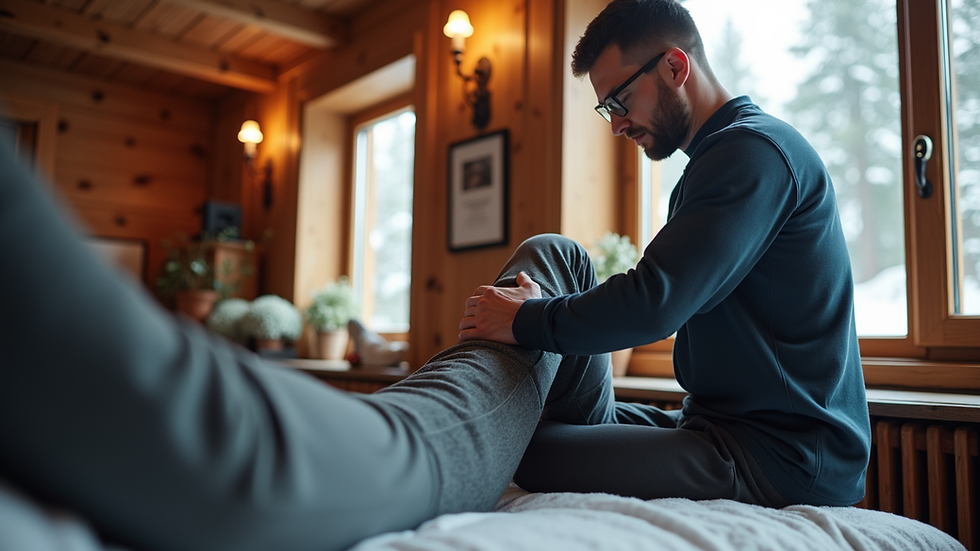
What Physiotherapy and Osteopathy Are
Physiotherapy focuses on restoring movement and function when someone is affected by injury, illness, or disability. It uses exercises, manual therapy, and advice to help patients recover and prevent further problems. For skiers and snowboarders, physiotherapy often targets muscle strains, ligament sprains, and joint issues caused by falls or overuse.
Osteopathy takes a holistic approach. It looks at the whole body, not just the injured part. Osteopaths use hands-on techniques to improve circulation, relieve tension, and support the body's natural healing. This can include gentle manipulation of muscles, joints, and connective tissues. Osteopathy is popular among those who want to improve overall body balance and prevent injuries.
If you’re wondering what is a physio osteopath, it’s a professional trained in both physiotherapy and osteopathy. This dual expertise allows them to combine the strengths of both approaches for tailored care.
Key Differences in Techniques
Physiotherapy Techniques
Physiotherapy uses a variety of methods depending on the injury or condition:
Exercise therapy: Strengthening and stretching exercises to improve muscle function and joint mobility.
Manual therapy: Hands-on techniques like massage, joint mobilization, and soft tissue release.
Electrotherapy: Use of electrical currents to reduce pain and inflammation.
Education and advice: Guidance on posture, movement, and injury prevention.
For example, after a skier twists their knee, a physiotherapist might design a rehab plan with specific exercises to rebuild strength and stability.
Osteopathy Techniques
Osteopathy relies mainly on manual techniques, including:
Soft tissue manipulation: Stretching and massaging muscles and fascia to ease tension.
Joint articulation and mobilisation: Gentle movements to improve joint function.
Cranial osteopathy: Light touch techniques focusing on the head and spine to balance the nervous system.
Visceral manipulation: Working on internal organs to improve overall body function.
An osteopath treating a snowboarder with back pain might use gentle spinal adjustments and soft tissue work to relieve discomfort and improve posture.
How These Techniques Help Skiers and Snowboarders
Both physiotherapy and osteopathy can speed up recovery and enhance performance on the slopes. Here’s how they support winter sports enthusiasts:
Injury recovery: Both approaches help heal common ski injuries like sprains, strains, and joint pain.
Pain relief: Manual therapies reduce muscle tightness and joint stiffness.
Improved mobility: Exercises and manipulations restore range of motion.
Injury prevention: Strengthening and body balance techniques reduce the risk of future injuries.

Comparing Two Services Available in Courchevel
At My French Physio, we offer both physiotherapy and osteopathy services tailored for skiers and snowboarders. Here are two examples:
Physiotherapy Home Visits
Convenient sessions in your chalet or hotel room. Focus on rehabilitation exercises, manual therapy, and personalised advice to get you back on the slopes quickly.
Osteopathy Treatments
Hands-on osteopathic care to improve body balance, relieve pain, and support natural healing. Ideal for managing chronic discomfort or preventing injuries during your stay.
Both services are designed to fit your schedule and location in Courchevel, ensuring you receive expert care without interrupting your holiday.
When to Choose Physiotherapy or Osteopathy
Choosing between physiotherapy and osteopathy depends on your needs:
Choose physiotherapy if you have a specific injury that needs targeted rehabilitation, such as a ligament sprain or muscle tear. Physiotherapy’s exercise-based approach helps rebuild strength and function.
Choose osteopathy if you want a holistic approach to improve overall body balance, relieve chronic pain, or prevent injuries. Osteopathy’s gentle manual techniques can complement your ski training and recovery.
Sometimes, combining both approaches offers the best results. A physio osteopath can provide this integrated care, tailoring treatments to your unique condition.
Tips for Ski Injury Prevention and Recovery
Whether you prefer physiotherapy or osteopathy, here are some practical tips to keep you skiing strong:
Warm up properly before hitting the slopes.
Strengthen your core and leg muscles with regular exercises.
Use proper technique and equipment suited to your skill level.
Don’t ignore pain; seek professional care early.
Schedule regular treatments to maintain body balance and flexibility.

Final Thoughts on Physiotherapy and Osteopathy in Courchevel
Both physiotherapy and osteopathy offer valuable tools for skiers and snowboarders to recover from injuries and improve performance. Physiotherapy focuses on targeted rehabilitation and strengthening, while osteopathy provides a holistic approach to body balance and pain relief.
At My French Physio, we understand the demands of winter sports and the importance of quick, effective care. Our home visits for physiotherapy and osteopathy in Courchevel make it easy to get expert treatment without leaving your chalet or hotel.
If you want to stay on top of your game and enjoy your time on the slopes, consider which approach suits your needs best. And remember, combining both can offer comprehensive support for your body.
Ready to book a session or learn more? Visit My French Physio to find out how we can help you recover and perform at your best in Courchevel.


Comments