


Ski Resort Physiotherapy Services: Physiotherapists in Courchevel - What to Expect

When you’re carving down the pristine slopes of Courchevel, the last thing you want is an injury slowing you down. Skiing and snowboarding are exhilarating but physically demanding sports. That’s where expert physiotherapy comes in. As a physiotherapist and osteopath working in this beautiful alpine environment, I want to share what you can expect from physiotherapy services here in Courchevel. Whether you’re a seasoned skier, a chalet butler, or a concierge arranging care for your guests, understanding the scope and benefits of physiotherapy can make all the difference.
Understanding Ski Resort Physiotherapy Services
Physiotherapy in a ski resort like Courchevel is a specialised field. It combines traditional physiotherapy techniques with sports medicine and osteopathy to address the unique demands of winter sports. The cold climate, altitude, and intense physical activity create specific challenges for the body.
What does this mean for you?
Injury prevention: Physiotherapists help you prepare your muscles and joints to withstand the rigours of skiing or snowboarding.
Acute injury management: From sprains to fractures, immediate and effective treatment is crucial.
Rehabilitation: Post-injury recovery is tailored to get you back on the slopes safely and efficiently.
Performance enhancement: Physiotherapy can improve your balance, strength, and flexibility, helping you ski better and reduce injury risk.
The services offered often include manual therapy, exercise prescription, taping, and sometimes osteopathic manipulation. Many physiotherapists in Courchevel also provide home visits to chalets and hotels, ensuring convenience and comfort during your recovery.
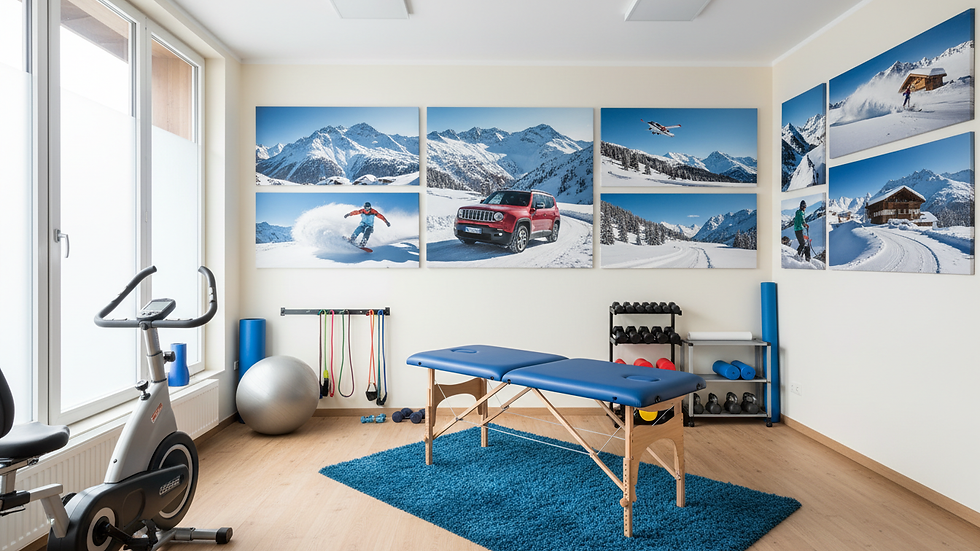
Physiotherapy clinic treatment room in Courchevel equipped for sports rehabilitation
What to Expect from Your First Appointment
When you book a session with a physiotherapist in Courchevel, the first appointment is all about assessment. Expect a thorough evaluation of your medical history, current symptoms, and physical condition. This is not just a quick chat; it’s a detailed process that helps identify the root cause of your discomfort or injury.
Typical steps include:
Subjective assessment: Discussing your skiing experience, injury history, and current issues.
Physical examination: Testing your range of motion, muscle strength, joint stability, and posture.
Functional tests: Assessing how your body moves during activities similar to skiing or snowboarding.
Goal setting: Establishing realistic recovery or performance goals tailored to your needs.
This comprehensive approach ensures that the treatment plan is personalised and effective. You might be surprised by how much detail goes into this initial session, but it’s essential for a successful outcome.
Common Ski Injuries and How Physiotherapy Helps
Skiing and snowboarding injuries can range from minor strains to more serious conditions. Here are some of the most common injuries we see in Courchevel and how physiotherapy addresses them:
Knee injuries (ACL, MCL tears): These are frequent due to twisting falls. Physiotherapy focuses on reducing swelling, restoring mobility, and strengthening the muscles around the knee to support the joint.
Shoulder dislocations and sprains: Manual therapy and targeted exercises help regain stability and prevent recurrent injuries.
Ankle sprains: Early mobilisation and proprioceptive training are key to a quick recovery.
Lower back pain: Often caused by poor technique or overuse, physiotherapy includes spinal mobilisation and core strengthening.
Muscle strains: Gentle stretching and gradual strengthening prevent stiffness and promote healing.
Physiotherapy is not just about treating injuries but also about educating you on how to avoid them. For example, learning proper warm-up routines and ski techniques can significantly reduce your risk.
Manual therapy session focusing on knee injury rehabilitation
The Role of Osteopathy in Ski Injury Management
As an osteopath as well as a physiotherapist, I often integrate osteopathic principles into treatment. Osteopathy emphasises the holistic relationship between the body’s structure and function. This means looking beyond the injured area to understand how other parts of the body may be compensating or contributing to the problem.
For example, a skier with a knee injury might also have tightness in the hips or lower back that affects their recovery. Osteopathic techniques such as joint mobilisation, soft tissue manipulation, and cranial osteopathy can complement physiotherapy by improving overall body mechanics.
This combined approach often leads to faster recovery times and better long-term outcomes. It’s especially valuable in a ski resort setting where clients want to return to the slopes as soon as possible.
Tips for Maximising Your Physiotherapy Experience in Courchevel
To get the most out of your physiotherapy sessions, consider these practical tips:
Book early: Don’t wait until pain becomes severe. Early intervention can prevent minor issues from becoming major injuries.
Be honest: Share all relevant information about your health and skiing habits. This helps tailor your treatment.
Follow home exercises: Your physiotherapist will likely prescribe exercises to do between sessions. Consistency is key.
Use available services: Many physiotherapists in Courchevel offer home visits to chalets and hotels, making treatment more accessible.
Communicate goals: Whether you want to ski pain-free or improve your performance, clear goals help guide your therapy.
Stay hydrated and warm: Cold weather can stiffen muscles, so keep yourself well-hydrated and dress appropriately before and after sessions.
Remember, physiotherapy is a partnership. Your active participation will significantly influence your recovery and performance.
If you’re planning a ski trip to Courchevel or already enjoying the slopes, knowing what to expect from physiotherapy services can give you peace of mind. From injury prevention to rehabilitation and performance enhancement, expert care is available to keep you moving smoothly. Whether you need a quick assessment or ongoing treatment, a physiotherapist in Courchevel is ready to support your alpine adventures with professional, personalised care.
Stay safe, ski smart, and enjoy the mountains!


Comments